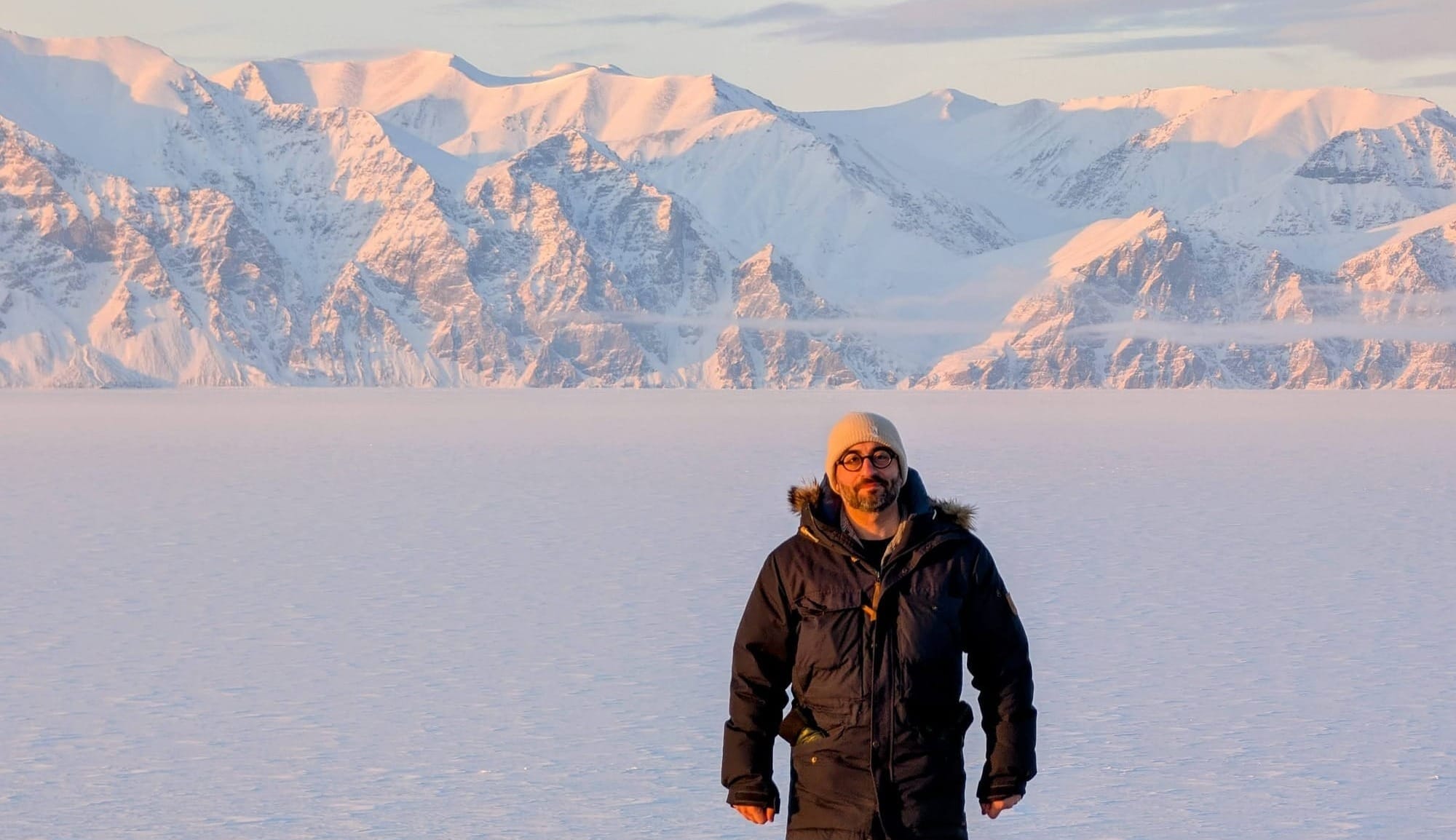
I’m a lawyer for Indigenous peoples. I write about how Canadian law works, how it doesn’t work, and how it should work.
I’m an advocate, everything else is commentary (to borrow a phrase).
But one thing I’ve learned as a lawyer is that commentary is important. So I’m a partner and Litigation Group Lead at Olthuis Kleer Townshend LLP, a law firm working exclusively for Indigenous peoples, governments, and organizations across Canada. My practice is focused on supporting Indigenous self-determination. I work on environmental regulation, consultation and consent as well as governance support for First Nations and Inuit clients across central, western and northern Canada.
One of the most meaningful parts of the work I do is supporting bereaved families who have lost loved ones at the hands of police and the carceral system. Together we pursue justice through inquests and civil claims, as well as public advocacy.
There’s that word again – my advocacy happens in courtrooms, council chambers, and board rooms, and it also happens in my public writing. And that’s why you’re here.
How I got here
I grew up in Thornhill, studied in Montreal, and did graduate work in Cardiff (in Wales). Before returning to Toronto to join OKT, I went to law school and practised law in Winnipeg. I’ve been at OKT since 2017.
I’ve known that I was going to be a lawyer since I was eight years old (according to my parents, anyway), and it was never in question that I would spend my time fighting for human rights. Growing up, Jewish values of tikkun olam – “repairing the world” were instilled in me early. My dad’s experience as the National Director for the B’nai Brith League for Human Rights during the hate-crime prosecutions of the infamous neo-Nazis Jim Keegstra and Ernst Zundel, and later work with the Ontario Human Rights Commission, were an essential part of the texture of my childhood.
Outside the office, I bake (I once competed on The Great Canadian Baking Show), and I enjoy travelling and trying new restaurants. I’m a partner and a son and a friend, and I read more science fiction and fantasy than is probably healthy.
Why I write
The legal work I do is often difficult for people who aren’t directly involved to see, or to understand. Many cases settle, most decisions don’t make headlines, and the public conversation about Indigenous rights and Canadian law happens mostly without lawyers in it. There are a lot of misconceptions and misunderstandings about Indigenous peoples’ issues, Canadian law, and the relationship between them.
“Law is not neutral. This is never more true than when it affects Indigenous peoples.”
I write to translate. I write to push back, when pushing back is warranted, against politicians and pundits who reach for legal language they don’t actually understand or use to divide. I write to explain, in plain terms, what reconciliation is supposed to mean when it’s treated as a legal obligation and not a political slogan. And I write because I think the practitioner perspective — what the law looks like from inside the work — adds something to a conversation that has too few practitioners in it.
I write here as myself, not on behalf of OKT or any client.
On being a non-Indigenous lawyer doing this work
I am not Indigenous. My ancestors came to Canada fleeing persecution in Europe. And while they did not arrive here with the intention of dispossessing Indigenous people of their territories, it isn’t the thought that counts. My family has benefited from colonialism and I have a duty to contribute to repairing the harm colonialism has caused and ensuring that Indigenous people have the same opportunities in their territories that my family has had as uninvited guests in those territories.
The work I do for Indigenous clients is, and has to be, in service of what they decide they want — not a contribution I make from the outside on terms I set. I write here as a lawyer who does this work, and who has had the privilege of learning from my Indigenous clients. I am not a voice of Indigenous experience and cannot (and will not) replace the Indigenous perspective.
For legal services, please contact me at OKT — oktlaw.com. This site is for my writing and public commentary; it is not the right channel for client inquiries.